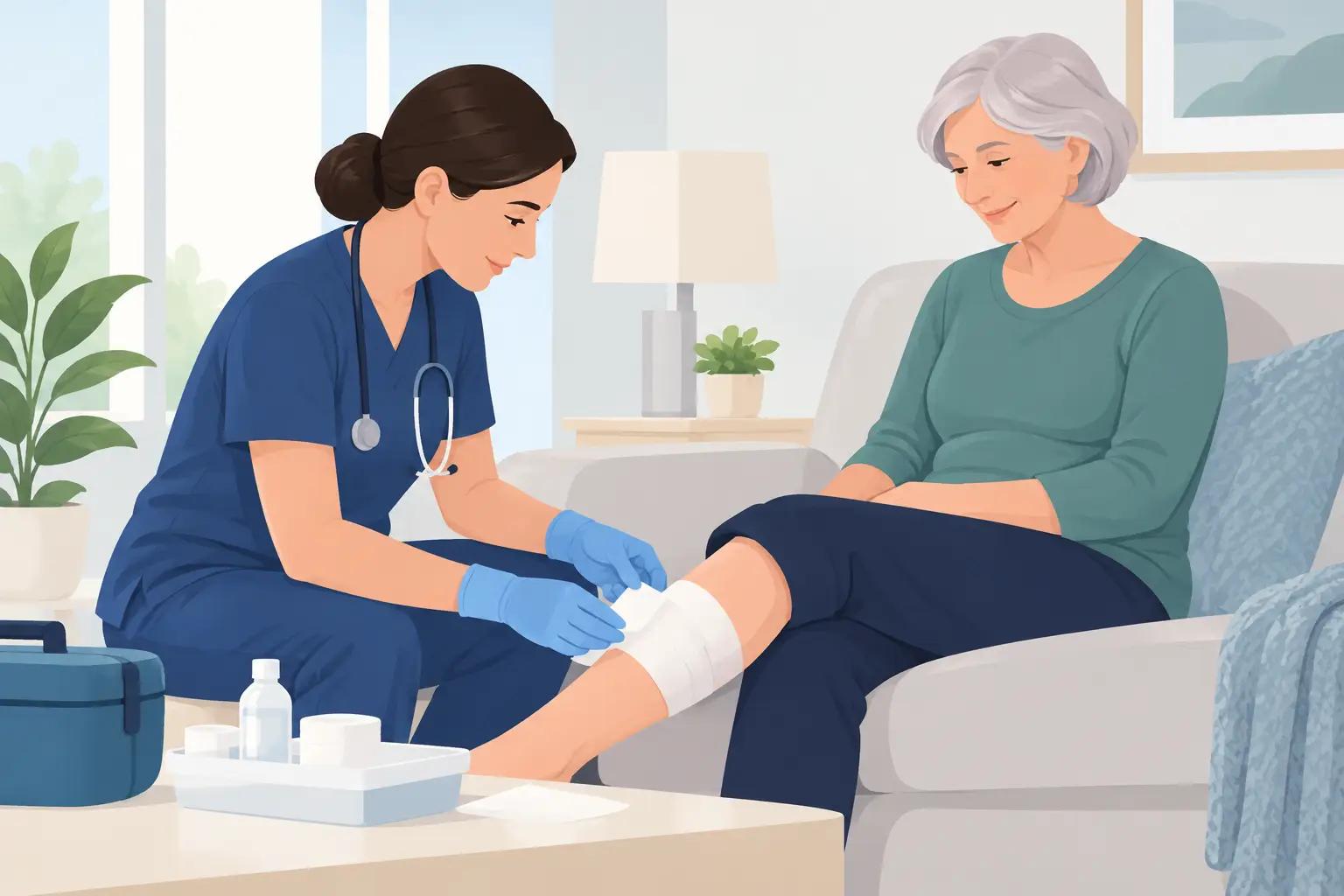
A wound that looks small can become a daily source of concern when dressing changes are painful, mobility is limited, or healing has slowed. Professional wound care services can bring clinical support into the home, helping patients receive appropriate assessment and treatment without the strain of repeated travel.
For families caring for an older parent, someone recovering after surgery, or a loved one living with diabetes, the goal is not simply to cover a wound. It is to understand what is affecting healing, use the right treatment approach, and know when the wound needs more urgent medical attention.
What wound care services can support at home
Home-based wound care is designed for people whose condition is suitable to be managed outside a clinic or hospital. A doctor or trained nurse can assess the wound, review medical history and medications, perform indicated procedures, and explain the care plan clearly to the patient and family.
This may include cleaning and dressing a wound, reviewing signs of infection, monitoring healing progress, removing sutures or staples when clinically appropriate, and providing caregiver instruction. Depending on the patient's needs, care may also involve medication review, diabetes management support, nutritional guidance, mobility support, or coordination with other healthcare professionals.
Wounds vary widely. A surgical incision after discharge needs different attention from a pressure injury caused by limited movement. A minor cut on a healthy person is not managed in the same way as a foot wound in someone with poor circulation or diabetes. That is why an assessment should come before assumptions about which dressing, cream, or frequency of care is needed.
Common reasons families arrange home wound care
Families often seek an in-home visit after a hospital stay, when a patient has difficulty walking, or when regular clinic appointments are becoming hard to coordinate. Home care can also be helpful for people with frailty, advanced illness, chronic conditions, or pain that makes travel difficult.
It may be suitable for post-operative wound checks, dressing changes, pressure injury prevention and monitoring, skin tears, minor traumatic wounds, diabetic wound monitoring, and support for long-term wounds that require regular review. Suitability depends on the wound itself, the patient's overall condition, and whether there are warning signs that require hospital-based treatment instead.
Why wound assessment matters before treatment
A dressing is not a one-size-fits-all solution. The clinician needs to look at the wound's location, size, depth, drainage, odor, surrounding skin, pain level, and how long it has been present. They will also consider factors that can delay healing, including diabetes, poor circulation, swelling, poor nutrition, smoking, limited mobility, immune suppression, and certain medications.
For example, a wound that repeatedly becomes wet may need a different dressing strategy than a dry wound with fragile skin around it. A pressure injury may require changes to positioning and equipment, not only a new dressing. When a wound is on the foot of a person with diabetes, circulation and sensation need careful consideration because a seemingly minor injury can worsen quickly.
A good home visit also considers practical details that affect results. Can the patient reposition safely? Is the dressing being kept clean and dry? Does the caregiver have the supplies and confidence to carry out instructions between visits? Addressing these questions makes the plan more realistic for the household.
When a home visit may be appropriate
Home wound care can be a practical option when the patient is medically stable and the required treatment can be safely provided at home. It is particularly valuable when frequent travel would cause discomfort, fatigue, fall risk, or disruption to recovery.
Before confirming a visit, the care team should discuss the patient's symptoms, diagnosis if known, type of wound, recent hospitalization, current medications, and any instructions already given by a surgeon or hospital. Availability, expected fees, and what treatment can be provided should also be confirmed upfront. This helps families make an informed decision and prepare the right information for the visit.
At Dr Care At Home, this kind of coordination helps ensure that an in-home consultation or nursing procedure is appropriate before care is arranged. Some patients need a single dressing change and review. Others benefit from a scheduled follow-up plan that tracks healing and adjusts care when needed.
When to seek urgent medical attention instead
Home care should not delay emergency treatment. Seek urgent medical evaluation if there is heavy bleeding that does not stop with firm pressure, a deep wound with exposed tissue, a serious burn, a bite wound, or a wound caused by a dirty or rusty object when tetanus protection may be needed.
Prompt medical assessment is also needed if the patient develops fever, confusion, severe or rapidly worsening pain, spreading redness, significant swelling, pus-like drainage, red streaks from the wound, blackened tissue, or sudden changes in color or sensation around an affected limb. For people with diabetes, new foot wounds, discoloration, swelling, or signs of infection should be treated seriously.
If the person has chest pain, trouble breathing, fainting, signs of stroke, or is otherwise acutely unwell, call emergency services rather than arranging a routine home visit.
What happens during an in-home wound care visit
A clinically responsible visit begins with questions, not just supplies. The clinician will usually ask how the wound happened, when it began, what treatments have been used, whether pain or drainage has changed, and whether the patient has had fever or other symptoms.
They may check vital signs and review relevant health conditions and medications. The wound is then examined carefully, with attention to healing progress and any signs that the current plan should change. If wound cleansing, dressing replacement, or another procedure is indicated, it is performed using appropriate infection-control practices.
Before leaving, the clinician should explain what was found, what care is needed next, and what symptoms should prompt a call or urgent evaluation. Caregivers should feel comfortable asking how to protect the dressing during bathing, how often it should be checked, and whether the patient needs help with movement, nutrition, or medication management.
Supporting healing between visits
The most effective plan is one the household can follow consistently. Keep the wound and dressing handled only as instructed. Wash hands before and after wound care, avoid using creams or antiseptics that were not recommended, and do not remove a dressing early unless the care team has advised it or it becomes loose, wet, or heavily soiled.
Healing also depends on the person, not only the wound. Adequate protein, fluids, blood sugar control, pressure relief, and regular repositioning can all matter. For a person who spends long periods in bed or a chair, caregivers may need practical guidance on turning schedules, skin checks, cushions, or other equipment. A wound that appears unchanged may still need a reassessment if pain, drainage, odor, or the surrounding skin changes.
Photographs can sometimes help families notice change over time, but they do not replace clinical review. If photos are taken for monitoring, use consistent lighting and distance, and protect the patient's privacy.
Choosing care that fits the patient and family
The right care setting depends on urgency, complexity, travel ability, and the support available at home. A hospital may be necessary for serious infection, surgical treatment, imaging, or rapidly deteriorating wounds. A clinic may suit someone who is mobile and needs a straightforward review. Home-based wound care can be the more comfortable choice when treatment is suitable and travel creates an unnecessary burden.
When arranging care, share as much detail as possible: the wound location, how long it has been present, recent hospital discharge papers, current medications, allergies, diabetes status, and any new symptoms. Clear information helps the care team confirm whether a home visit is appropriate, what supplies may be needed, and whether follow-up should be planned.
A wound can affect comfort, independence, and family confidence long before it becomes an emergency. Early assessment, clear caregiver instruction, and a realistic follow-up plan can help turn a worrying daily task into care that feels safer and more manageable at home.