A thermometer reading can be worrying, but the number is only part of the picture. When should fever need assessment? The answer depends on the person's age, how unwell they appear, how long the fever has lasted, and whether there are warning signs such as breathing difficulty, confusion, dehydration, or a new rash.
Fever is usually the body's response to an infection. Many mild viral illnesses improve with rest, fluids, and monitoring at home. However, infants, frail older adults, people with long-term medical conditions, and those with weakened immune systems may need medical advice sooner, even if the temperature is not very high.
When Should Fever Need Assessment Urgently?
Seek urgent medical assessment or emergency care if fever occurs with any sign that the person may be seriously unwell. Do not wait for the temperature to rise further if there are concerning symptoms.
Warning signs include trouble breathing, chest pain, bluish lips or face, severe weakness, fainting, new confusion, difficulty waking, a seizure, a severe headache with a stiff neck, or a rapidly spreading purple or dark rash. Persistent vomiting, severe abdominal pain, signs of dehydration, or very little urine can also require prompt care.
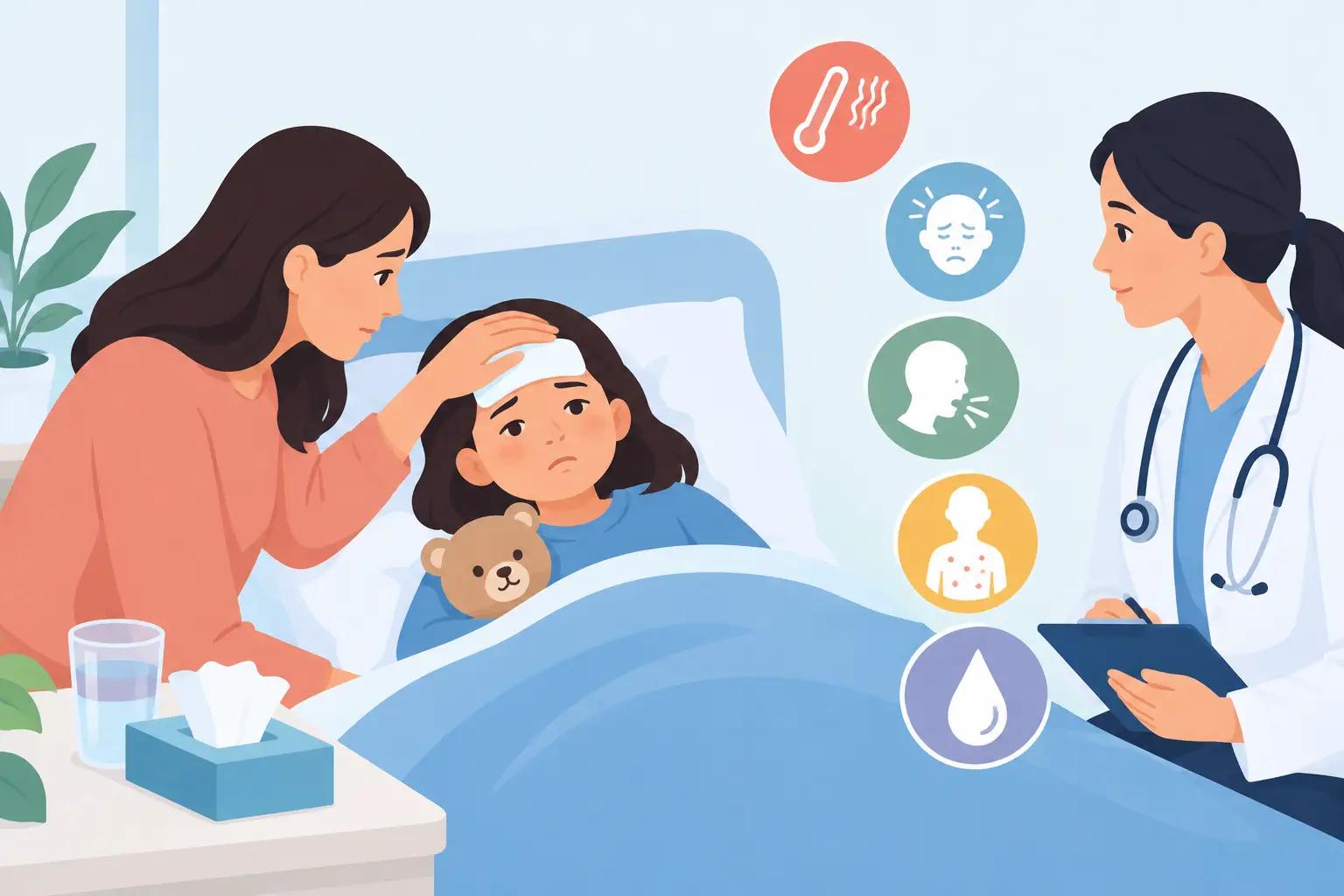
For a child, look beyond the thermometer. A child who is unusually floppy, persistently inconsolable, struggling to breathe, refusing all fluids, or producing far fewer wet diapers than usual should be assessed promptly. Parents and caregivers know what is normal for their child. If behavior feels markedly different or something does not seem right, it is reasonable to seek advice.
For adults, fever with a sudden decline in alertness, mobility, or ability to manage daily needs deserves attention. This is especially true for an older person who lives alone, has dementia, recently left the hospital, or is recovering from surgery. In older adults, a serious infection may cause confusion, falls, or weakness before it causes a high fever.
Fever Assessment by Age
Babies younger than 3 months
A rectal temperature of 100.4°F (38°C) or higher in a baby younger than 3 months should be assessed urgently. Young babies can become unwell quickly, and they may not show clear symptoms of infection at first. Do not give medication unless a clinician has advised the correct option and dose for your baby.
Babies and young children
For children older than 3 months, the temperature matters, but their overall condition matters more. Medical assessment is advisable if fever is high, persists, or comes with poor feeding, dehydration, breathing changes, significant pain, a rash, repeated vomiting, or unusual sleepiness.
A child with fever that continues beyond a few days should be reviewed, even if they have periods of playfulness. The clinician may need to check for conditions such as ear infection, throat infection, urinary infection, influenza, or pneumonia. Children with chronic medical conditions or weakened immunity should be assessed earlier.
Adults
In a generally healthy adult, a fever around 100.4°F (38°C) to 102°F (38.9°C) that accompanies a typical cold or mild viral illness may be managed at home initially if the person is drinking fluids, breathing comfortably, and gradually improving.
Assessment is appropriate if the temperature reaches 103°F (39.4°C) or higher, lasts more than three days, repeatedly returns after improving, or is accompanied by a worsening cough, pain when urinating, a severe sore throat, localized pain, or significant fatigue. A fever after international travel, a new medication, a procedure, or contact with someone who has a serious infection should also be discussed with a clinician.
Older adults and people with health conditions
People with diabetes, kidney disease, heart or lung disease, cancer, autoimmune conditions, or suppressed immunity should have a lower threshold for assessment. The same applies to people taking chemotherapy, long-term steroids, transplant medications, or other treatments that affect immune function.
A high temperature is not the only concern. An older or medically vulnerable person may have a lower-than-usual temperature, confusion, poor appetite, dehydration, or sudden weakness during a serious infection. A clinician can assess vital signs, review medications, examine the person, and decide whether testing or hospital care is needed.
How to Monitor Fever Safely at Home
Use a reliable thermometer and note the temperature, time, and method used. Oral, ear, forehead, and underarm readings can vary. For young infants, follow pediatric guidance on the most accurate method. Avoid repeatedly checking every few minutes, as this can increase anxiety without changing what you need to do.
Encourage fluids in small, frequent amounts. Water, soup, oral rehydration fluids, or usual milk feeds for infants can help, depending on age and condition. Watch for dry mouth, dizziness, dark urine, no tears when crying, or reduced urination, as these can indicate dehydration.
Rest in a comfortably cool room and wear light clothing. Do not use ice baths or alcohol rubs, which can cause discomfort and are not recommended. Fever medication may improve comfort, but it does not treat the cause of the fever. Use only products appropriate for the person's age and health conditions, follow the label or clinician's instructions, and avoid giving aspirin to children or teenagers unless specifically directed by a medical professional.
Keep a short record of symptoms. Note when the fever began, the highest reading, medications taken, fluid intake, urine output, and new symptoms such as cough, rash, diarrhea, or pain. This gives a doctor a clearer picture than a single temperature reading.
When a Home Medical Assessment May Help
Not every fever requires an emergency department visit, but some situations should not be managed by waiting and hoping. A home assessment may be suitable for a stable person who needs an examination but has mobility limits, is caring for young children, is recovering from illness, or would find travel difficult.
During an in-home consultation, a clinician can assess symptoms and vital signs, examine the throat, ears, chest, abdomen, or skin as appropriate, and review current medicines. Depending on the situation, coordinated services may include laboratory sample collection, medication review, hydration support when clinically suitable, wound assessment, or follow-up monitoring.
Dr Care At Home can discuss whether a house call is suitable based on symptoms, location, availability, and the patient's needs. Fees and recommended care should be confirmed before treatment. If the symptoms suggest an emergency, the safest next step is emergency care rather than waiting for a home visit.
A Practical Decision for Families
A fever is not automatically dangerous, and lowering the number on the thermometer is not always the main goal. Focus on the person in front of you: Are they alert? Drinking? Breathing comfortably? Passing urine? Improving or getting worse?
If the answer is uncertain, or if the person is very young, older, medically vulnerable, or showing any red flags, arrange medical assessment promptly. Calm observation is useful, but timely action can make a meaningful difference when a fever is the first sign of something more serious.