A fever that will not settle, new confusion in an older parent, weakness after discharge, or a wound that looks different from yesterday can raise an urgent question: does this need a hospital trip? Home diagnostics can help a qualified clinician assess certain concerns where the patient is most comfortable, while also identifying when care should move quickly to a clinic or hospital.
For families, the value is not simply convenience. It is having a clear, medically guided next step when travel is difficult, a loved one is frail, or symptoms need prompt attention. The right home assessment combines history, physical examination, appropriate testing, and a plan that the patient and caregiver can understand.
What home diagnostics can include
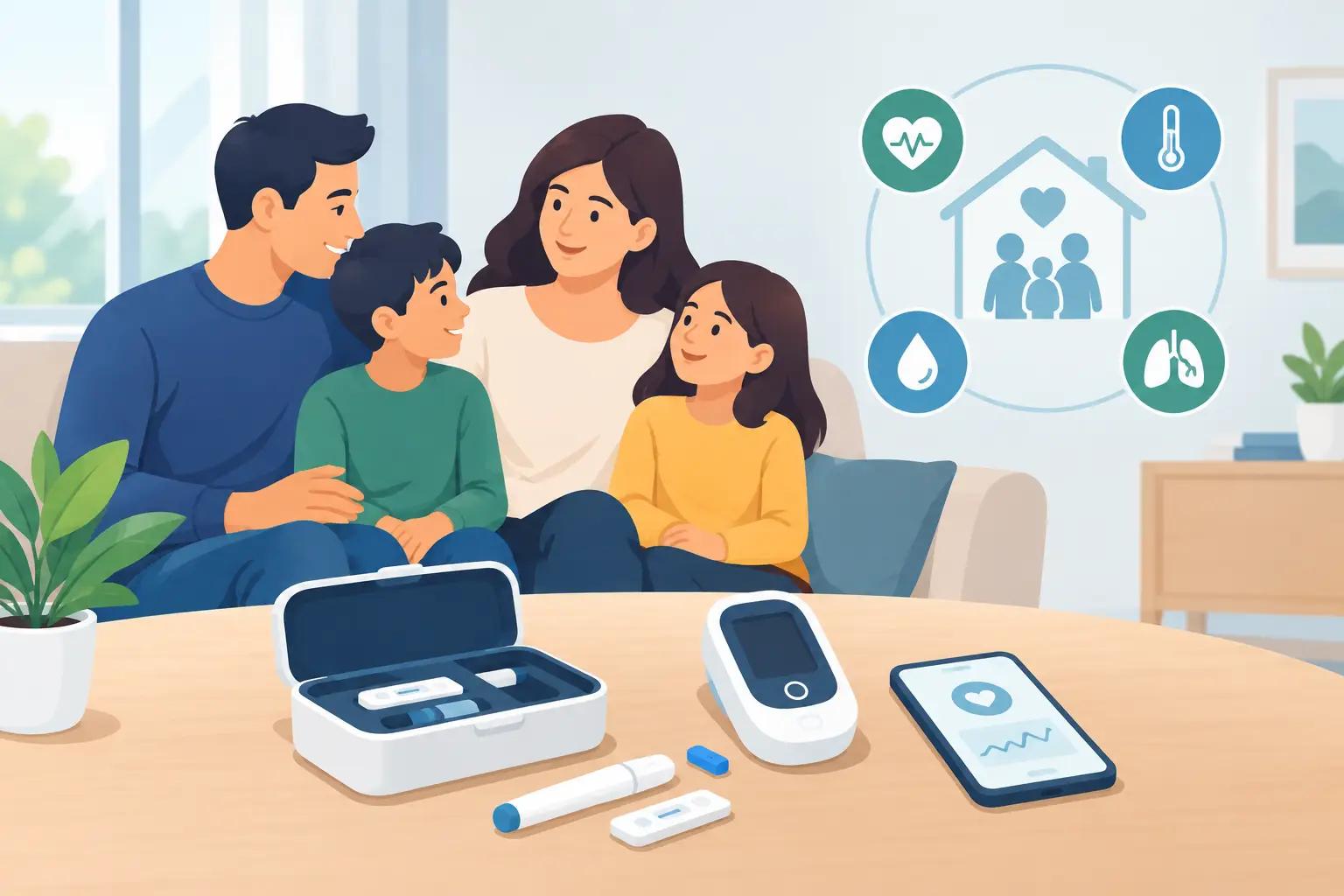
Home diagnostics refers to medical assessments and tests performed in a patient's home, either during a doctor visit or through coordinated sample collection and follow-up. The exact services depend on symptoms, the patient's medical history, test availability, and clinical suitability.
A home visit may begin with the basics: reviewing symptoms and medications, checking temperature, blood pressure, pulse, oxygen level, hydration, mobility, and mental alertness. These findings matter. For example, a cough may be mild in one person but more concerning in someone with low oxygen levels, heart disease, or a recent hospital admission.
Depending on the concern, a clinician may recommend point-of-care testing or laboratory sample collection. Common examples include blood glucose checks, urine testing, selected infection screening, blood tests, and swabs. Some patients may also need an electrocardiogram, wound assessment, medication review, or monitoring of chronic conditions such as diabetes, hypertension, or heart failure.
Testing is only one part of the process. A lab result without the patient's symptoms, physical condition, and medical history can be misleading. A good home-care plan explains what the result may mean, what treatment is appropriate, what should be monitored, and when a review is needed.
When an at-home assessment may be useful
Home-based assessment is often helpful when leaving the house is tiring, unsafe, or likely to delay care. This may include an older adult with limited mobility, someone recovering after surgery, a patient with a disability, or a person who is too unwell to wait in a crowded clinic but does not appear to need emergency treatment.
It can also support families managing ongoing needs. A patient with diabetes who has poor appetite and unusual fatigue may need a glucose review, hydration assessment, and medication check. Someone with recurrent urinary symptoms may need a clinical review and urine sample. After hospitalization, a patient may need blood tests, wound monitoring, or medication reconciliation without another difficult trip out of the home.
For caregivers, home diagnostics can make observations more useful. The clinician sees the patient's actual environment: how they move around the home, whether they are eating and drinking, what medications are on hand, and whether there are practical risks such as falls or missed doses. This context can shape a safer care plan.
That said, care at home is not automatically the right option just because it is easier. The key question is whether the patient is stable enough for assessment and treatment outside a hospital setting.
Symptoms that should not wait for a home visit
Call emergency services or seek urgent emergency assessment for chest pain, severe trouble breathing, signs of stroke such as facial drooping or new weakness, fainting, seizures, heavy bleeding, severe allergic reactions, or sudden severe confusion. A very drowsy patient, a person who cannot be safely roused, or anyone whose condition is rapidly worsening needs immediate attention.
The same applies when a patient may need imaging, surgery, intensive monitoring, or treatments that cannot be safely delivered at home. Home care should never delay emergency care.
How testing at home is coordinated
A safe process begins before anyone arrives. When you contact a provider, be ready to describe the patient's main symptoms, when they began, their age, existing conditions, allergies, regular medications, recent hospital visits, and any readings you have taken, such as temperature or blood pressure.
This information helps the care team determine whether a home visit is suitable and which clinician or service may be needed. It also allows fees, availability, expected visit timing, and possible tests to be discussed upfront. Not every test can be completed immediately, and some laboratory tests require collection, transport, and processing before results are available.
During the visit, the clinician should explain the proposed assessment and obtain consent before testing or treatment. If blood or urine samples are needed, they should be correctly labeled, handled, and sent for processing. Ask how and when results will be communicated, who will explain abnormal findings, and what to do if symptoms change while waiting.
At Dr Care At Home, this coordinated approach is designed for households in Kuala Lumpur and Selangor that need medical care in a familiar environment, with assessment, procedures, laboratory collection, and follow-up discussed according to the patient's needs.
Preparing the home for a smoother visit
A little preparation can make a home medical assessment more accurate and less stressful. Keep the patient's identification, medication list, recent discharge summary, test reports, and relevant readings in one place. Include over-the-counter medicines, supplements, traditional remedies, inhalers, eye drops, and creams. These can affect symptoms, test results, and treatment choices.
Make sure the clinician has a clean, well-lit area to assess the patient. If the person has a wound, prepare any dressings or supplies currently being used. If a urine sample is requested, ask in advance whether a container will be provided and whether the sample needs to be collected at a particular time.
A family member or caregiver can be especially helpful during the visit. They may notice changes that the patient has not mentioned, such as reduced appetite, missed medications, increasing falls, or nighttime confusion. They should also write down the care instructions, including medication changes, warning signs, and the recommended follow-up date.
Understanding results without false reassurance
Normal results are reassuring only in context. A person may still need further review if symptoms continue, worsen, or do not match the test findings. Likewise, an abnormal result does not always mean a medical emergency, but it should be interpreted promptly by a qualified clinician who knows the patient's condition.
Ask practical questions when results are discussed: What does this result suggest? Does it change the treatment plan? Is repeat testing needed? Which symptoms mean we should seek urgent care? When should the patient be reviewed again?
For chronic illness, home diagnostics may become part of a broader routine rather than a one-time event. Regular monitoring can support medication adjustments, nutrition planning, wound care, physiotherapy, or nursing visits. The right frequency depends on the condition. More testing is not always better; useful testing is testing that answers a clinical question and leads to a clear action.
Choosing a provider for home diagnostic support
Look for a provider that treats home testing as part of clinical care, not as a stand-alone transaction. The team should ask enough questions to assess suitability, explain the visit and expected costs before confirming, use appropriate sample-handling procedures, and provide a route for follow-up.
It is also reasonable to ask what happens if the clinician believes the patient needs hospital care. A responsible provider will be clear about the limits of home treatment and will not promise that every condition can be managed at the doorstep.
Home diagnostics work best when they give families a calmer, more informed way to act. Whether the next step is treatment at home, a repeat review, specialist care, or urgent transfer, clarity is often the most valuable result.