A home visit can remove the stress of getting a sick parent into a car, waiting in a crowded clinic, or managing a wound after hospital discharge without clear support. If you are wondering what happens during home visits, the process usually begins well before a clinician arrives. The care team first needs enough information to confirm that home-based care is suitable, arrange the right professional, and explain the expected fees and visit window.
For many families, the biggest benefit is not simply convenience. It is the chance for a doctor or care professional to assess the patient where they live, see practical challenges firsthand, and involve family caregivers in the care plan.
Before the Visit: Booking and Suitability
A safe home visit starts with a conversation. When you inquire, you may be asked about the patient's age, symptoms, medical conditions, medications, recent hospital treatment, mobility, and whether they have any allergies or medical devices such as a feeding tube, urinary catheter, or oxygen equipment.
This screening helps determine whether a home visit is appropriate and which service is needed. A person with fever, vomiting, a cough, pain, dizziness, or a medication concern may need a doctor consultation. Someone recovering from surgery may need wound care, nursing support, physiotherapy, or help arranging equipment. An older adult with several chronic conditions may benefit from a medication review and a scheduled follow-up plan rather than a one-time visit.
Availability, the likely visit window, and fees should be discussed before the booking is confirmed. Some care needs require specific supplies, laboratory collection arrangements, or a clinician with particular experience. Clear information upfront helps prevent delays and ensures the visit is planned around the patient's actual needs.
Home care is not suitable for every situation. Chest pain, severe breathing difficulty, signs of stroke, uncontrolled bleeding, loss of consciousness, seizures, serious injury, or sudden severe confusion require emergency assessment. In those situations, call emergency services or go to the nearest emergency department rather than waiting for a home visit.
What Happens During Home Visits From Start to Finish
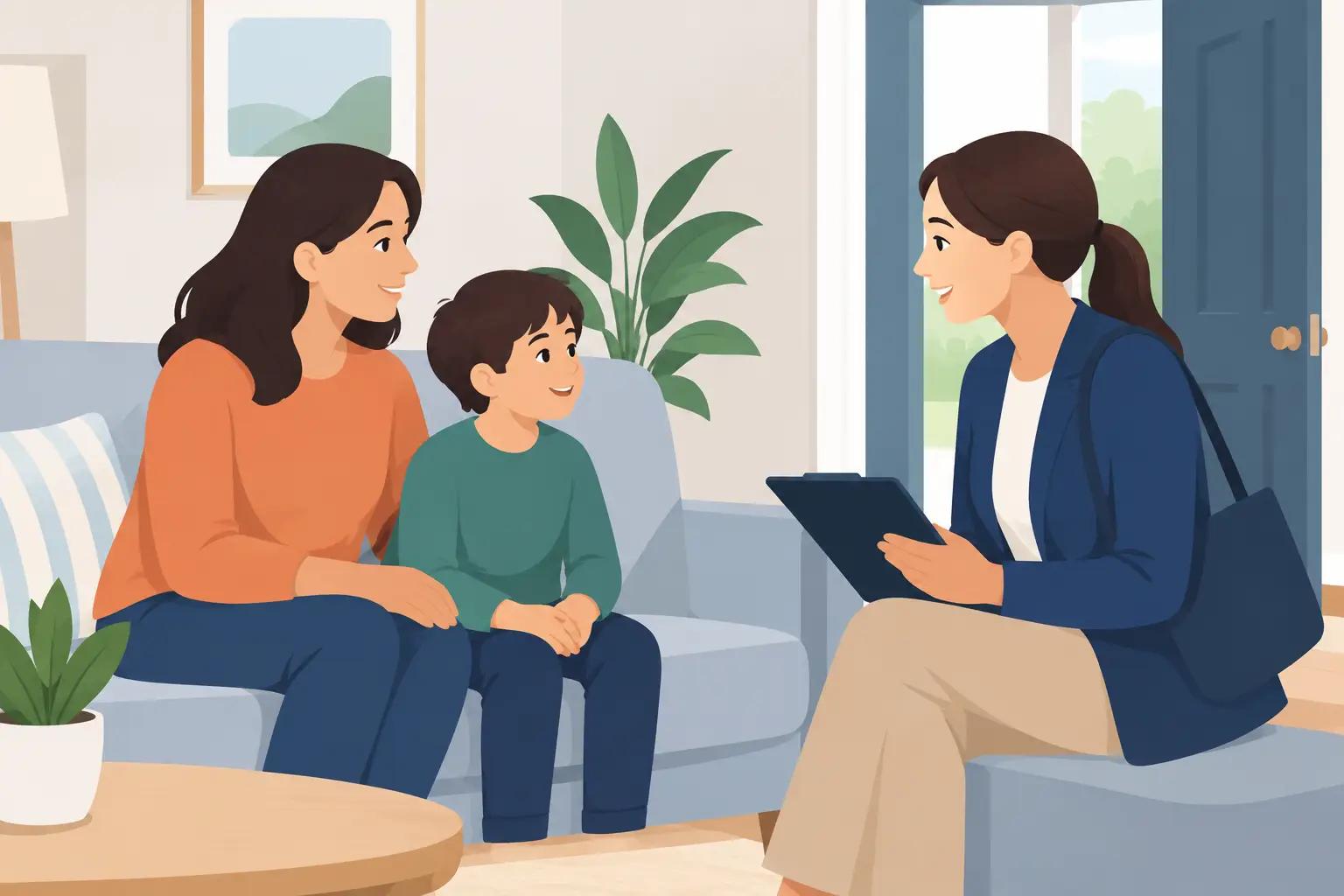
When the clinician arrives, they will introduce themselves, confirm the patient's identity, and review the reason for the appointment. They may also ask to speak with the family member who arranged the visit, particularly if that person manages medications or has noticed changes in the patient's condition.
The consultation is usually more detailed than a quick symptom check. The clinician will ask when the problem started, what makes it better or worse, what treatment has already been tried, and whether there have been recent changes in appetite, sleep, mobility, mood, bowel habits, or urine output. For an older patient, these everyday changes can be clinically meaningful.
Assessment in a Familiar Setting
The physical assessment depends on the concern. A doctor or nurse may check temperature, blood pressure, pulse, oxygen level, blood glucose, breathing, hydration, pain level, and mental alertness. They may listen to the heart and lungs, examine the abdomen, inspect a wound, or assess swelling, skin condition, balance, and movement.
Being at home can provide useful context. A clinician may notice that a patient is struggling to reach the bathroom safely, is taking medicines from several unmarked containers, or is unable to prepare meals and fluids independently. These observations do not replace medical tests, but they can shape realistic recommendations for daily care.
Privacy and dignity remain central. The patient should be involved in decisions as much as possible, even when an adult child or caregiver is coordinating care. If an examination or procedure is needed, the clinician should explain what will happen and seek consent before proceeding.
Treatment, Procedures, and Medication Advice
After the assessment, the clinician will discuss the likely cause of the problem, the treatment options, and any limits of home-based care. Depending on the service booked and the clinical findings, care may include a prescription, medication adjustment, wound dressing, injection, IV therapy, catheter care, blood sample collection, or nursing procedure.
Not every patient needs treatment during the first visit. Sometimes the safest plan is monitoring, rest, fluids, a medication change, or a referral for further testing. In other cases, the clinician may recommend hospital evaluation because the symptoms, test results, or overall condition need resources that cannot be provided safely at home.
Families should feel comfortable asking practical questions. Ask what each medication is for, when it should be taken, which side effects need attention, and whether any existing medicine should be stopped or avoided. If a wound is being managed, ask how to keep it clean, when to change the dressing, and which signs suggest infection or poor healing.
The Home Environment Is Part of the Care Plan
A useful home visit does more than address the immediate medical issue. It can help make the next few days safer and easier for the patient and caregiver.
For example, after a fall, the care plan may include pain assessment and mobility advice, but it may also cover loose rugs, poor lighting, unsuitable footwear, and the need for a walking aid or physiotherapy. For a patient returning home after hospitalization, the focus may include medication reconciliation, nutrition, hydration, wound monitoring, and whether the family has the supplies and confidence to manage care between visits.
For people living with frailty, dementia, cancer, or advanced illness, the conversation may also cover comfort, symptom control, caregiver fatigue, and the patient's wishes. Palliative support at home is not only about medical treatment. It is about helping families understand what to expect and who to contact when symptoms change.
What Happens After a Home Visit
Before leaving, the clinician should explain the next steps in plain language. This may include a diagnosis or working diagnosis, treatment instructions, medication directions, warning signs to watch for, and whether follow-up is needed.
Some concerns can be managed with one visit. A mild illness in an otherwise healthy adult may only require assessment, medication, and advice on when to seek further help. Chronic conditions, complex wounds, reduced mobility, or recovery after hospitalization often need coordinated follow-up. This may involve repeat doctor reviews, nursing visits, laboratory tests, physiotherapy, dietitian input, or medical equipment arrangements.
Keep a written list of questions and changes you notice between visits. Record temperatures, blood sugar readings, blood pressure results, medication doses, wound drainage, food and fluid intake, or new symptoms when relevant. This gives the care team a clearer picture of what is happening and can make follow-up decisions more precise.
How Families Can Prepare
You do not need to prepare a clinical setting, but a few simple steps make the visit more effective. Have the patient's identification, medication list, allergy information, recent discharge papers, test results, and relevant medical records available. If possible, clear a safe, well-lit space for the assessment and keep pets in another room during procedures.
It also helps to identify the main goal for the visit. Is the priority to understand a new symptom, review medications, manage a wound, improve mobility, or plan longer-term support? Families often have several concerns, and sharing them early helps the clinician organize the appointment appropriately.
If the patient has difficulty hearing, remembering details, or communicating, have a trusted family member present or reachable by phone. At the same time, give the patient space to speak for themselves. Their comfort, preferences, and understanding should guide the plan wherever possible.
Dr Care At Home supports this approach by coordinating doctor consultations and related in-home services based on the patient's needs, availability, and suitability for care at home.
A well-planned home visit should leave the household with more than a treatment recommendation. It should give the patient and family a clearer next step, a safer plan for the hours ahead, and confidence about when to ask for further help.