
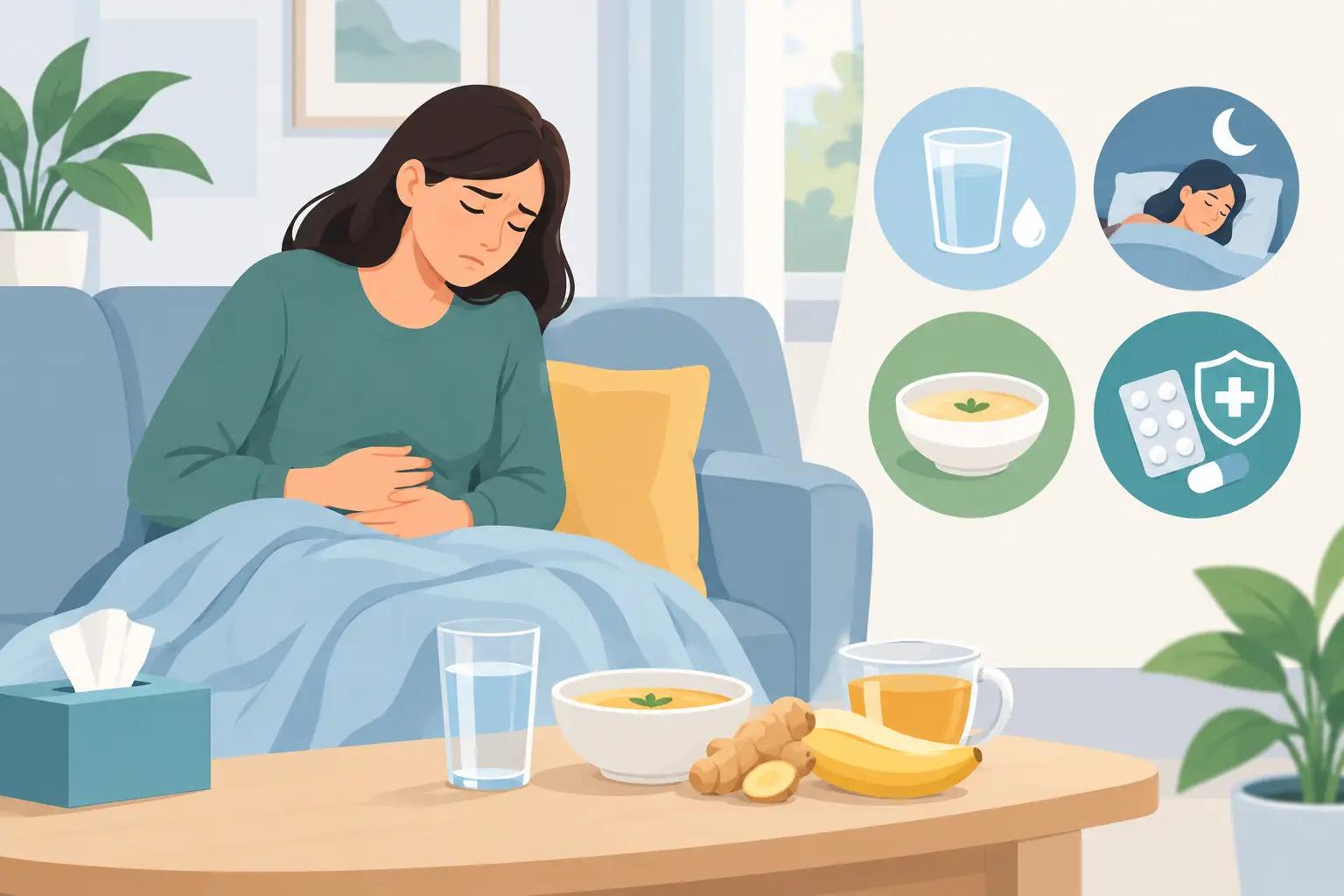
A sudden wave of nausea, vomiting, stomach cramps, or diarrhea can make even a short walk to the bathroom feel difficult. Food poisoning treatment at home is often focused on one priority: preventing dehydration while giving the stomach time to recover. Most mild cases improve within a few days, but young children, older adults, pregnant people, and those with chronic illness may need medical assessment sooner.
Start With Fluids, Not Food
Vomiting and diarrhea cause the body to lose water and essential salts quickly. Small, frequent sips are usually easier to tolerate than drinking a full glass at once. If vomiting is ongoing, try a teaspoon or two of fluid every few minutes, then gradually increase the amount as the stomach settles.
Oral rehydration solutions are a practical choice because they contain a balanced amount of water, sugar, and electrolytes. Clear broths and water can also help. For adults who can keep fluids down, diluted juice or a sports drink may be used in the short term, although very sweet drinks can sometimes worsen diarrhea.
Watch for signs that fluid loss is becoming a concern. These include very dark urine, urinating much less often than usual, a dry mouth, dizziness when standing, unusual weakness, confusion, or a fast heartbeat. In infants and small children, fewer wet diapers, no tears when crying, a sunken appearance around the eyes, or unusual sleepiness need prompt attention.
Food Poisoning Treatment at Home: What to Eat
There is no need to force food during the first few hours of illness. Once vomiting has eased and fluids are staying down, start with small portions of plain, easy-to-digest foods. Rice, toast, crackers, bananas, applesauce, plain potatoes, noodles, oatmeal, and clear soup are common options.
Eat only what feels manageable. A few bites every few hours may be enough at first. Appetite often returns gradually, and that is normal. Focus on hydration before trying to resume regular meals.
For a day or two, avoid fried or fatty meals, spicy food, alcohol, coffee, and heavily sweetened drinks. Dairy products can temporarily aggravate bloating or diarrhea in some people after a gastrointestinal illness, even if they normally tolerate milk well. Raw seafood, undercooked eggs, and leftovers should also be avoided until everyone in the household is fully well and food storage can be checked carefully.
Rest, Hygiene, and Medication Choices
Rest gives the body an opportunity to recover. Avoid strenuous exercise, long drives, and work tasks that require close concentration while weak or dehydrated. If possible, have another adult check in on an older relative or someone who lives alone, especially during the first 24 hours.
Good hygiene protects others in the home. Wash hands thoroughly with soap and water after using the bathroom and before preparing food. Clean bathroom surfaces, faucet handles, and frequently touched items. Do not prepare meals for other people until symptoms have stopped. If a child has diarrhea, keep them home from school or childcare according to local public health guidance.
Medication may help in certain situations, but it is not always appropriate. Acetaminophen can be considered for fever or body aches when the person is able to keep fluids down and has no reason to avoid it. Follow the package directions and account for any acetaminophen already included in cold or pain medicines.
Anti-diarrheal medicines should be used cautiously. They may not be suitable when there is fever, bloody stool, severe abdominal pain, or suspected bacterial infection because slowing the bowel can delay the removal of harmful organisms. Do not give anti-diarrheal medicines to children unless a clinician specifically recommends them. Antibiotics are not a routine home treatment and should only be used when prescribed after medical assessment.
Do not try to induce vomiting. It can cause choking, further fluid loss, and irritation of the throat.
When Home Care Is Not Enough
A short period of nausea and loose stools can often be managed at home, but the severity of symptoms matters more than the suspected meal. Seek urgent medical care if there is blood in vomit or stool, black stools, severe or worsening abdominal pain, a rigid or swollen abdomen, repeated vomiting that prevents fluids from staying down, or a fever of 102 F or higher in an adult.
Emergency assessment is also needed for confusion, fainting, difficulty breathing, seizures, severe dehydration, or symptoms after eating potentially poisonous mushrooms, contaminated canned foods, or a known chemical substance. Blurred vision, drooping eyelids, slurred speech, muscle weakness, or difficulty swallowing after food exposure are emergency symptoms and should not be monitored at home.
Arrange medical advice early for infants, adults over 65, pregnant people, and anyone with kidney disease, diabetes, inflammatory bowel disease, a weakened immune system, or significant heart conditions. Dehydration and infection can become more serious in these groups even when symptoms initially appear mild.
Diarrhea lasting more than three days in an adult, vomiting that continues beyond 24 hours, or symptoms that improve and then return are also good reasons to contact a clinician. A medical review can help determine whether testing, prescription treatment, IV fluids, or closer monitoring is needed.
Supporting an Older Parent or Relative at Home
For caregivers, food poisoning can be harder to assess because an older person may minimize symptoms or become dehydrated quickly. Keep a simple record of when vomiting or diarrhea started, the number of episodes, temperature readings, fluids taken, urination, medications, and any unusual behavior. This information makes a clinical assessment more efficient.
Offer small amounts of fluid regularly rather than waiting for the person to ask. Make the path to the bathroom safe and well lit, and consider assistance if weakness or dizziness raises the risk of a fall. If mobility is limited, a home medical assessment may be more appropriate than asking a frail person to travel while unwell.
A clinician can assess hydration, vital signs, medication risks, and whether symptoms are consistent with food poisoning or another condition. Stomach pain, vomiting, and diarrhea can also occur with urinary infections, medication side effects, bowel problems, and other illnesses that need different treatment.
Preventing Another Episode
Once the household is feeling better, check the likely source without assuming it is obvious. Food poisoning symptoms can begin within hours or several days after exposure, so the last meal eaten is not always responsible. Review whether cooked foods were left at room temperature, whether raw meat came into contact with ready-to-eat food, and whether leftovers were refrigerated promptly.
Use separate cutting boards for raw meat and produce when possible, cook foods thoroughly, and reheat leftovers until steaming hot. Refrigerate perishable food within two hours, or within one hour in very hot conditions. When in doubt about a leftover's storage history, discard it rather than tasting it.
The most useful home plan is simple: replace fluids steadily, introduce bland food when tolerated, rest, and watch closely for warning signs. If symptoms are severe, persistent, or affecting a vulnerable family member, timely medical advice can prevent a manageable illness from becoming a more serious one.